





How to Be Content in a World Designed to Keep You Unsatisfied
I remember sitting with that number on a screen in front of me, waiting to feel something — relief, joy, the deep exhale I'd been chasing for years. Instead, there was just... quiet. A strange, hollow quiet that no amount of zeros could fill.
I'd spent decades reinventing myself. Changed my name. Built a food delivery empire from nothing. Hit every external marker the world said would make me happy. And in the moment I finally reached the finish line, I realized I'd been running the wrong race.
That moment cracked something open in me. Because if achieving everything I thought I wanted still left me empty, then the problem wasn't my effort — it was my understanding of what contentment actually is.
Here's what I've learned in the years since: contentment isn't something you arrive at. It's something you build, daily, in five specific areas of life that have nothing to do with your bank account. And the habits that get you there are simpler than you think.
How to be content with life comes down to one shift: stop treating contentment as a destination and start building it as a daily practice. Genuine contentment isn't the absence of ambition — it's living in alignment with what actually matters across the key areas of your life. Build that alignment through small, consistent habits, and lasting peace follows naturally.
Upgrades You'll Earn From This Blog:
A clear understanding of why achieving more hasn't made you happier and the single mindset shift that shows you how to be content with life without starting over
A 5-area life audit framework that reveals exactly which area is quietly draining your contentment right now
Seven daily habits, grounded in behavioral science, that build genuine satisfaction from the inside out no overhaul required
Contentment vs. Happiness
While often used interchangeably, true happiness and contentment are distinct states. Happiness is typically a short-lived emotion triggered by external events — a promotion, a vacation, a great meal. Contentment is deeper and more durable. It doesn't spike and crash; it compounds.
Philosopher Epicurus observed that true contentment lies in appreciating what you have rather than constantly desiring more. Modern science backs this up. Psychologist Sonja Lyubomirsky's research on the "happiness set point" found that roughly 50% of our baseline happiness is genetically determined, and external circumstances — the things most people chase — account for only about 10%. The remaining 40% comes from intentional daily practices. That 40% is exactly where contentment lives.
Psychiatrist Dr. Robert Lustig makes the distinction even sharper in his work on reward neurology: happiness is a dopamine-driven pleasure response — short-acting and tolerance-building. Contentment is tied to serotonin, a steadier neurochemical associated with meaning, calm, and satisfaction. Chasing happiness through external wins actually depletes the serotonin system over time, making genuine contentment harder to reach.
Understanding this difference isn't just academic. It's the reason achieving more hasn't made you happier — and the reason the habits in this article work when external milestones don't.
Learn More: 11 Daily Habits of Ridiculously Happy People
What does being content mean?
Being content with life means finding genuine satisfaction in your present circumstances — not because everything is perfect, but because you're living in alignment with what actually matters to you. It's built through daily habits rooted in gratitude, self-acceptance, and balanced growth across the key areas of life that drive lasting fulfillment.
The Three Pillars of Being Content in Life:
Unlike fleeting moments of happiness that come from external events, contentment is a deeper, long-lasting feeling that stems from internal alignment—living according to your personal core values and appreciating your present circumstances.
Feeling content doesn’t mean you stop striving for growth or improvement. It involves accepting your life as it is right now, without getting caught up in comparisons or unmet desires.
Here are a few key aspects that define contentment:
Acceptance - Being content with Life means accepting your current situation without feeling the need to chase after endless desires.
Gratitude - It’s rooted in gratitude, recognizing the value in what you have, rather than focusing on what’s missing.
Alignment with Core Values - Living in alignment with your values helps foster a sense of contentment, as it means you’re pursuing what truly matters to you, rather than external validation.
When you’re content, you’ll notice that stress and anxiety about the future diminish, and you can focus more on the present, which is where true fulfillment lies.
Learn More: How To Change Yourself
Why Being Content Leads to Lasting Peace
Happiness often feels like a rollercoaster—highs followed by inevitable lows. But a contented life is more like a steady walk, where you find peace in each step, even when the path is difficult. By focusing on gratitude, self-acceptance, and realistic goals, you can achieve a sense of fulfillment that doesn’t vanish with the next setback.
Research shows people who prioritize contentment over happiness tend to have lower levels of stress and anxiety and experience greater overall life satisfaction.


Why People Struggle to Be Content with Life
Contentment is often elusive because of deeply ingrained habits and societal pressures. Here are some solid reasons why many struggle to feel content:
1. Constant Comparison
“Comparison is the thief of joy.” – Theodore Roosevelt
One of the biggest barriers to contentment is comparison. Social media amplifies this, making it easy to compare our lives to the highlights of others. You might scroll through Instagram and see someone’s vacation, new job, or a big house, which makes your own achievements feel insignificant.
As psychologist Dr. Emma Seppälä explains, comparison creates anxiety and disrupts your ability to enjoy the present because you’re always focusing on what others have rather than appreciating what’s in your life.
2. Chasing Unrealistic Standards
Our society sets incredibly high and often unattainable standards for success, beauty, and happiness. From magazine covers to celebrity lifestyles, people are bombarded with images of “the ideal life,” which creates unrealistic expectations. A common example is body image. According to a Mayo Clinic study, the beauty standards portrayed in media have contributed to widespread body dysmorphia, where people feel their natural appearance doesn’t measure up to what’s considered attractive.
Financial success is another area where unrealistic standards set people up for dissatisfaction. Many chase careers or income levels that might look impressive from the outside but bring little joy or fulfillment. Psychiatrist Dr. Robert Lustig calls this phenomenon “The Hacking of the American Mind,” where external success is mistaken for internal happiness, leading to a constant pursuit of more wealth and status without ever feeling content.
3. Fear of Missing Out (FOMO)
A study suggests that FOMO can create anxiety and restlessness, making it hard to enjoy the present moment. This perpetual feeling that “something better” is happening elsewhere distracts from the contentment you could have in your current situation.
Social events, career opportunities, or even hobbies that you’re not participating in can create a sense of inadequacy. For example, someone might feel unhappy about their Friday night at home after seeing friends attending parties or vacations online, even though they previously felt content with their plans.
4. Overemphasis on Future Goals
While ambition is healthy, many people place so much emphasis on future goals that they lose sight of the present. Henry David Thoreau famously said, “Happiness is like a butterfly; the more you chase it, the more it will evade you.” This mindset is common among high achievers who fixate on future success and forget to appreciate the current moment. For instance, an entrepreneur might spend years working toward financial success, only to feel empty when they finally achieve it because they neglected relationships, health, and mental well-being along the way.
5. Lack of Gratitude
Without gratitude and recognizing the positive aspects of life, contentment is nearly impossible. Many people focus on what they don’t have, creating a constant state of dissatisfaction. Practicing gratitude—such as reflecting daily on what you appreciate—has been shown to increase feelings of contentment and inner peace.
You May Also Like Top 10 Habits of Successful People
Contentment: The Product of Balancing Life's Core Areas

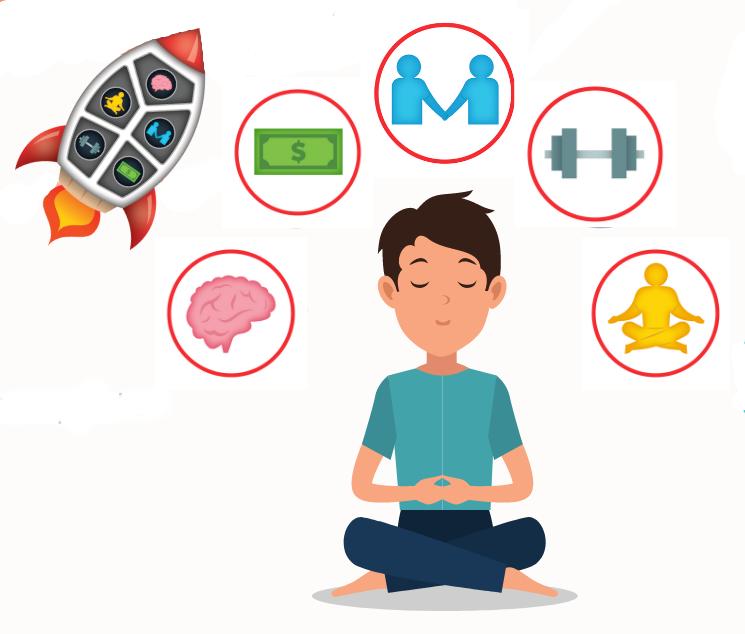
Through my journey from a misfit kid named Rocky and a suicidal adult to a successful entrepreneur, I've learned that true contentment isn't about having it all - it's about appreciating and nurturing what truly matters. My research and personal experiences have led me to understand contentment as the result of balancing five core areas of life scientifically tied to true happiness.
Mindset: This core is about developing a "growth owner" mentality that transforms how you perceive and interact with the world. I used to be my own worst critic, but I've learned to cultivate a growth-oriented outlook that embraces challenges. This shift has been crucial in finding contentment.
Career & Finances: While building my food delivery empire, I thought financial success would bring happiness. Now I understand it's about finding purpose in your work and managing resources wisely without obsessing over wealth.
Relationships: As someone who struggled to fit in, I've come to value deep connections. Being present for those who matter most has brought me more joy than any business success.
Physical Health: I've learned that taking care of my body through consistent habits isn't just about looking good - it profoundly impacts my overall sense of well-being and contentment.
Emotional Health/Giving Back: This core isn't just about personal well-being; it's about creating a positive ripple effect in the world around us. Developing resilience and finding ways to contribute to my community has given me a sense of purpose beyond my personal achievements. As a life coach for young adults, I have helped many clients to level up in their core areas of life by building life-changing habits. Witnessing their growth and success nourishes my own emotional health and gives me inner peace rather than just working to get a paycheck.
True contentment emerges when these areas are in harmony. It's not about achieving perfection in each but about making conscious efforts to nurture all aspects of your life. This balance allows you to appreciate what you have while still striving for growth and giving back to others.
By focusing on these core areas, you create a foundation for lasting fulfillment that goes far beyond momentary pleasures or material success. This holistic approach to contentment has transformed my life from one of constant striving and dissatisfaction to one of appreciation and purpose. I believe it has the power to do the same for others, no matter where they're starting from.
Read: Monday Morning Motivational Quotes
From Burned Out to Balanced: How Marcus Found His Footing
Marcus was 34, recently promoted, and completely miserable.
On paper, everything looked right. Good salary, respected at work, healthy enough. But he was snapping at his partner over small things, skipping workouts he used to love, and spending his evenings doom-scrolling instead of doing anything that actually recharged him. He knew something was off — he just couldn't pinpoint what.
When he honestly assessed each area of his life, the pattern became obvious. He had been pouring nearly all his energy into his Career Core while his Mindset, Relationships, and Emotional Health had quietly deteriorated. He wasn't burnt out from working too hard. He was out of balance.
He started small. A 10-minute gratitude journal in the morning for his Mindset. A no-phones rule at dinner for his Relationships. A single weekly basketball game for his Physical Health. Nothing dramatic — but within six weeks, the wins in one area started feeding the others. His sleep improved. His patience returned. The work that had felt like a grind started feeling purposeful again.
That's the thing about contentment — it doesn't come from doing more in one area. It comes from neglecting fewer of them.
Read More: 12 Stages of Burnout
How to Be Content With Life: 7 Habits
Now that we understand how contentment stems from balancing life's five core areas let's explore how to cultivate this balance in our daily lives. As a habit expert for the past 25 years, I realized contentment isn't about grand achievements; it's about daily habits that help you appreciate what you already have and reduce unnecessary stress.
These habits have been transformative in my own life helping me nurture each of the five core areas we discussed earlier, creating a foundation for lasting contentment.
Let's explore seven key habits that I've found most effective
1. Count Your Daily Wins, No Matter How Small
Often, we overlook the little things that make a big difference in our mood and mindset. Whether it’s finishing a work project, enjoying a great cup of coffee, or having a peaceful evening walk, acknowledging these small victories helps you focus on the good in your life and builds momentum. This habit primarily nurtures your Mindset core.
Habit Tip: Each night, write down three things that went well that day—whether it’s something you accomplished, a positive interaction, or simply enjoying a quiet moment. I recommend using our gamified habit tracker app to record your daily wins. Set up a point system where small victories earn you rewards, making the process of acknowledging your achievements more engaging and fun.
2. Cultivate Self-Awareness, Not Comparison
Scrolling through social media and comparing yourself to others is one of the quickest ways to drain your contentment. What you see online is often a highlight reel, not the full story. By focusing on your unique journey and achievements, you can build a more content mindset. Self-awareness helps you make choices aligned with your values and goals.
Habit Tip: Create a running personal inventory. A simple document or note where you track your unique strengths, passions, and goals. Revisit it every Sunday evening for five minutes. When comparison starts creeping in during the week, this list pulls your attention back to your own lane. Over time, it becomes a reference point for decisions, not just a mood reset.
Read More: How to Stop Judging Yourself
3. Set Realistic Goals You Actually Care About
Rather than chasing society’s idea of success, set goals that align with your own values. Whether it’s building stronger relationships, improving your health, or learning a new skill, personal goals give you a sense of purpose and satisfaction.
Habit Tip: Implement a holistic goal-setting approach that covers all five core areas of your life: Mindset, Career & Finances, Relationships, Physical Health, and Emotional & Mental Health. For each area, set one small, achievable goal. For instance, in the Mindset core, start a daily 2-minute gratitude practice; for Physical Health, aim for a 10-minute walk each day; in Relationships, schedule a weekly check-in with a loved one; for Career & Finances, read one industry-related article per week; and for Emotional Health, practice 5 minutes of deep breathing daily. This balanced approach ensures you're nurturing all aspects of your life, not just your career.
Read more: Which of the Seven Goal-setting Steps is the Most Important?
4. Live in the Present, Not in the ‘What Ifs’
It’s easy to lose sight of what you have by worrying about the future or ruminating on the past. Mindfulness is about staying grounded in the present moment, appreciating life as it unfolds at that very moment, which can help reduce anxiety and make life’s simple pleasures more enjoyable.
Habit Tip: Start your day with a short mindfulness routine, like 5 minutes of deep breathing or meditation. Focus on how you feel in the moment instead of worrying about what’s next.
Read More: How to Live Life to the Fullest
5. Give Yourself Permission to Be Imperfect
Perfectionism is a major contentment killer. Expecting yourself to be perfect only sets you up for disappointment. When you accept your flaws and see them as part of being human, you free yourself from unnecessary stress. This habit is crucial for maintaining a healthy Mindset and Emotional Health
Tip: When you make a mistake, instead of criticizing yourself, acknowledge it as a learning experience. No one is perfect, and that’s okay. Don't fall into negative self-talk.
6. Invest in Relationships That Matter
True contentment often comes from the people we surround ourselves with. Building meaningful relationships—whether with family, friends, or colleagues—helps you feel supported and connected. Positive relationships can significantly enhance life satisfaction. This habit directly addresses your Relationship core area while also helping you thrive in all other aspects of life.
Habit Tip: Pick one person per week and reach out with something specific — not a generic check-in, but a reference to something they care about or a memory you share. Block 10 minutes every Sunday to decide who that person is for the coming week. Small, consistent acts of genuine attention build the kind of relationship depth that actually feeds contentment. You can use MM's free habit tracker to keep this on your weekly radar so it doesn't get crowded out by busier days.
Learn More: How to Build Emotionally Healthy Relationships
7. Let Go of the Future Obsession
This habit is vital for your Mindset, and it can significantly impact your Career & Finances and Emotional Health core areas. While it’s important to have goals, fixating on the future can lead to stress and dissatisfaction with the present. Constantly waiting for “when I get that promotion” or “once I buy that house” prevents you from enjoying life right now.
Habit Tip: Start a simple daily wins journal — at the end of each day, write down one thing you accomplished and one thing you learned. It doesn't need to be profound. Over time, this practice quietly rewires your attention away from future anxiety and toward present-moment evidence that you're already moving forward.
Read More: How to Be Present
Conclusion - How to be Content with Yourself
I still think about that moment sometimes — the wire transfer, the quiet, the hollow feeling I didn't expect.
What I know now that I didn't know then is that contentment was never going to arrive in a lump sum. It was being built — or neglected — in the small daily choices I was making across every area of my life. My mindset. My relationships. My physical health. The way I was managing stress and showing up for others. I had been pouring everything into one core and letting the rest run dry, then wondering why I felt off-balance.
The seven habits in this article aren't complicated. But they work because they address the whole picture, not just one piece of it. Start with one. Build from there. Pay attention to how progress in one area quietly starts lifting the others.
That hollow quiet after the wire transfer? It's been replaced by something steadier. Not a highlight-reel feeling — something more like a foundation. That's what contentment actually feels like when you stop chasing it and start building it.
And that, more than any exit multiple, is the win worth working toward.
🚀 READY TO STOP CHASING CONTENTMENT AND START BUILDING IT?
You just unlocked seven habits for finding real contentment — but here's the truth: knowing the habits is only half the game. The harder part is figuring out which ones to start with, why you've been stuck, and how to make them actually stick across every area of your life.
That's exactly what the Moore Momentum System was built for. It takes the science behind contentment — gratitude, balance, identity alignment, and the Ripple Effect across all 5 Core Areas of Life — and turns it into a personalized, gamified daily experience that makes growth feel exciting instead of exhausting. No more generic advice. No more white-knuckling your way through habit change.
👉 Start by taking the Core Values Quiz — in under 60 seconds, you'll get a personalized Momentum Score that reveals exactly which of your 5 Core Areas is silently draining your contentment and where to focus first for the fastest ripple effect.
It's free, it's fast, and it might be the most clarifying 60 seconds you spend today.
Ready to stop spinning your wheels and finally level up? Begin your personalized journey NOW.
🚀🚀🚀 Don't forget to check out our Resource Arcade 👾🎮 for FREE templates and tools to gamify your habits.

FAQs - How to Be Content With Life
Why can't I just be content?
Start by separating your self-worth from your achievements. Most people unconsciously measure themselves against what they've produced, earned, or accomplished which means any bad day at work becomes a referendum on their value as a person. A simple daily practice that helps: at the end of each day, write down one thing you did well that had nothing to do with productivity. Over time, this rewires how you measure yourself — shifting from what you do to who you are.
How can I start feeling content with myself?
Most people try to feel better about themselves by achieving more. Get the promotion. Hit the goal. Earn the validation. But that cycle doesn't end. It just resets the bar.
Psychologist Kristin Neff's research points to a different starting point: self-compassion. Not self-esteem built on performance, but a quieter, steadier acceptance of yourself as you actually are right now. It turns out that's the more reliable foundation for lasting contentment with yourself.
A simple place to start: the next time you catch a self-critical thought, pause and ask yourself would I say this to a close friend who just went through the same thing? That one question interrupts the loop more effectively than any affirmation. Then build from there. A two-minute end-of-day reflection on one thing you handled well, nothing grand, just honest, starts stacking the kind of evidence that quietly rewires how you see yourself over time.
How to be content with being alone?
Solitude feels uncomfortable at first because most of us have never been taught to sit with ourselves without distraction. Start by treating alone time as an intentional practice rather than something to escape — even 10 minutes of quiet without a screen counts. Research from the University of Rochester found that people who spend time in solitude by choice report higher levels of creativity and emotional clarity than those who avoid it. The key word is "by choice" — reframe alone time as something you're selecting, not something happening to you.
How to Be Content with What you Have?
Contentment with what you have starts with a simple but counterintuitive practice: noticing the gap between what you have and what you actually need, rather than what you want. Psychologists call the constant upward drift of desire "hedonic adaptation" — the tendency to normalize good things quickly and immediately want more. One way to interrupt this cycle is gratitude specificity. Instead of writing "I'm grateful for my health," write "I'm grateful I walked to the coffee shop this morning without pain." The more specific, the more your brain registers it as real — and the harder it becomes to take it for granted.
Read More: Top 75 Things to Be Grateful For
How to Be Content with Yourself?
Love yourself unconditionally, embracing both strengths and flaws.
Practice gratitude daily, focusing on your unique qualities and achievements.
Replace self-criticism with self-compassion, treating yourself as you would a dear friend.
What’s the Main Reason Why People Have Trouble Being Content?
People often struggle with contentment because they constantly compare themselves to others, especially through social media and cultural messaging that promotes endless wanting and upgrading.
Our minds are wired to adapt quickly to what we have (hedonic adaptation) and then seek the next thing, creating a cycle of perpetual dissatisfaction.
Happiness vs Contentment: What is the Real Goal?
Contentment is a stable, lasting state of satisfaction with your life as it is, while happiness tends to be more fleeting and tied to specific moments or achievements.
The real goal is finding a balance - seeking contentment as your baseline while still allowing yourself to experience and appreciate moments of joy and happiness without becoming dependent on them for fulfillment.
What is the key to being content in a relationship?
The single biggest driver of relationship contentment is what researchers call "positive sentiment override" — the tendency to interpret neutral or even slightly negative moments charitably because your baseline feeling toward your partner is warm. You build that baseline through small, consistent acts of connection, not grand gestures. Regular check-ins, genuine curiosity about each other's day, and resisting the urge to compare your relationship to the curated versions you see online all compound over time into something much more durable than the initial spark most people confuse for the goal.


Founder & CEO of Moore Momentum
Will Moore is a serial entrepreneur, life coach, and habit science expert with a $300M+ exit under his belt. After hitting suicidal rock-bottom as a teen, he dedicated his life to cracking the code on lasting happiness and success — and built Moore Momentum to share what he found.
He helps people discover WHO they are, WHAT they really want, and HOW to get there by combining proven principles, science, AI, and gamification.
His mission: make growth ethically addictive and inevitable.